In-game Images
Article Index
Cities: Skylines II arrived promising to take city simulation to a new level, and it doesn't disappoint in its ambition. The game builds on the foundations of the first title but expands each system with an almost frightening depth. The first impression is of a living world that reacts to every decision the mayor makes, from noise pollution to the flow of sewage.
But it's not all wide avenues and well-kept parks. The launch was accompanied by a cloud of technical concerns that tainted the experience for many. Still, behind the performance problems, there is a simulator that makes a point of treating each citizen as a unique entity, with real jobs, routes and needs.
Cities: Skylines II review
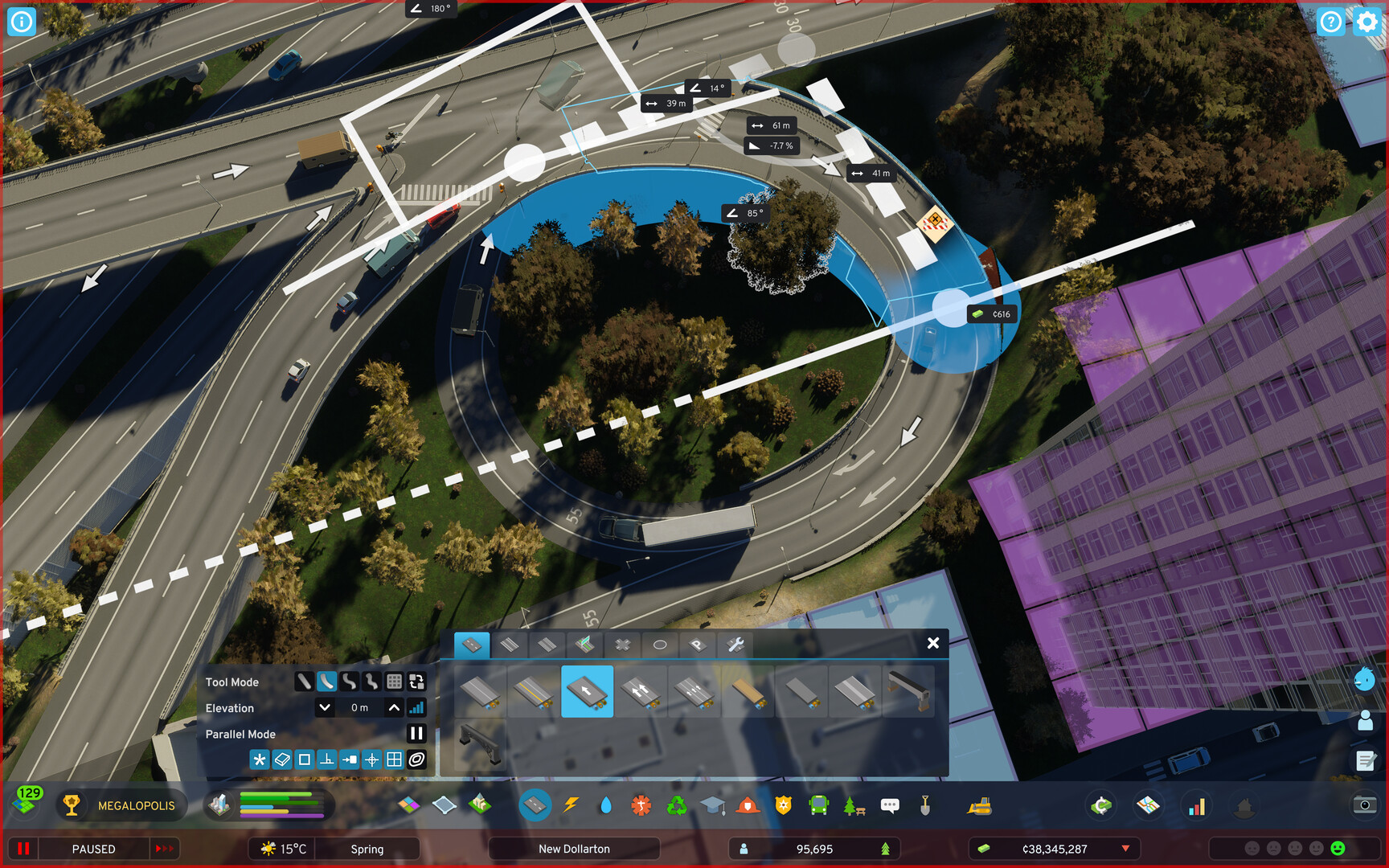
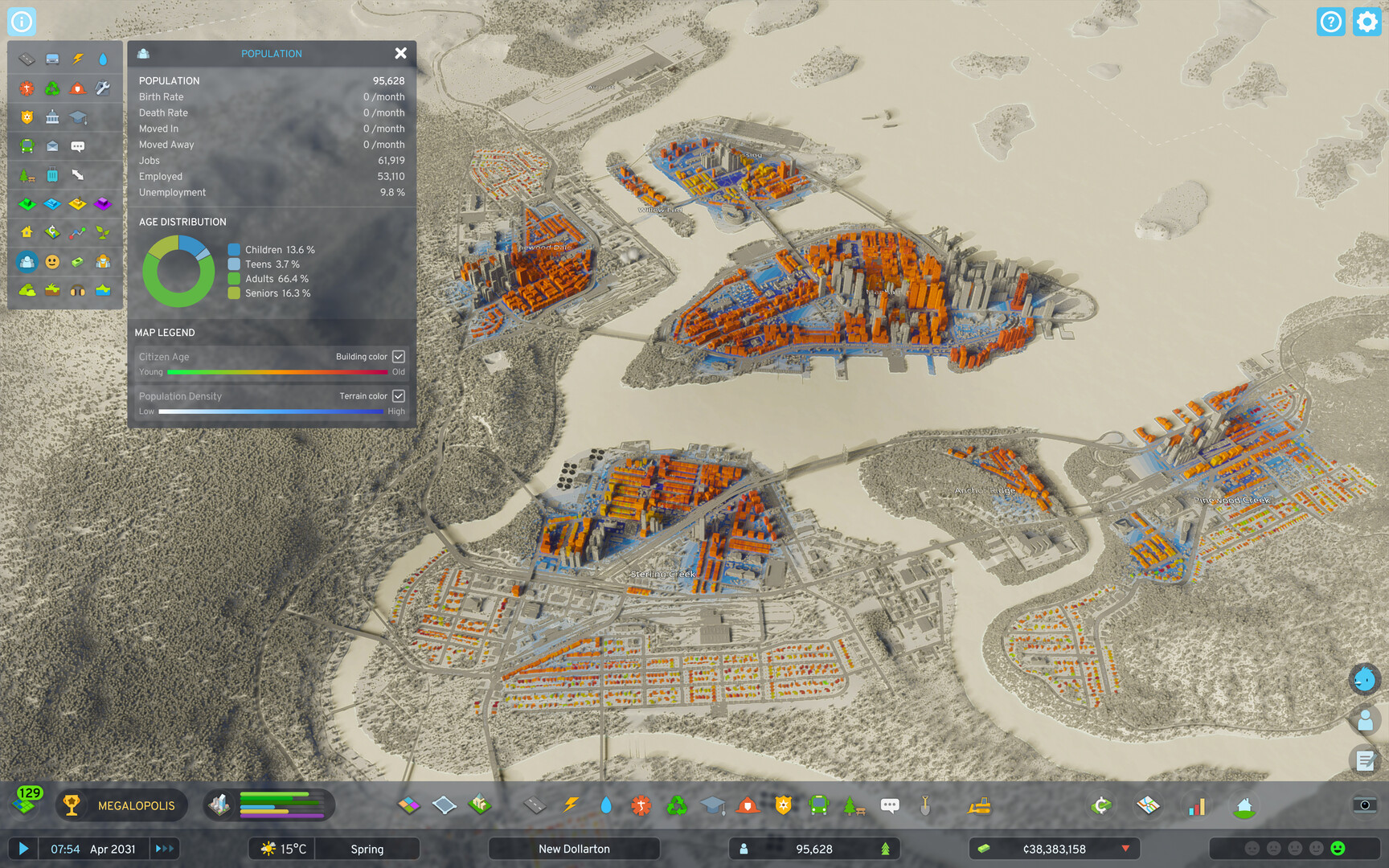
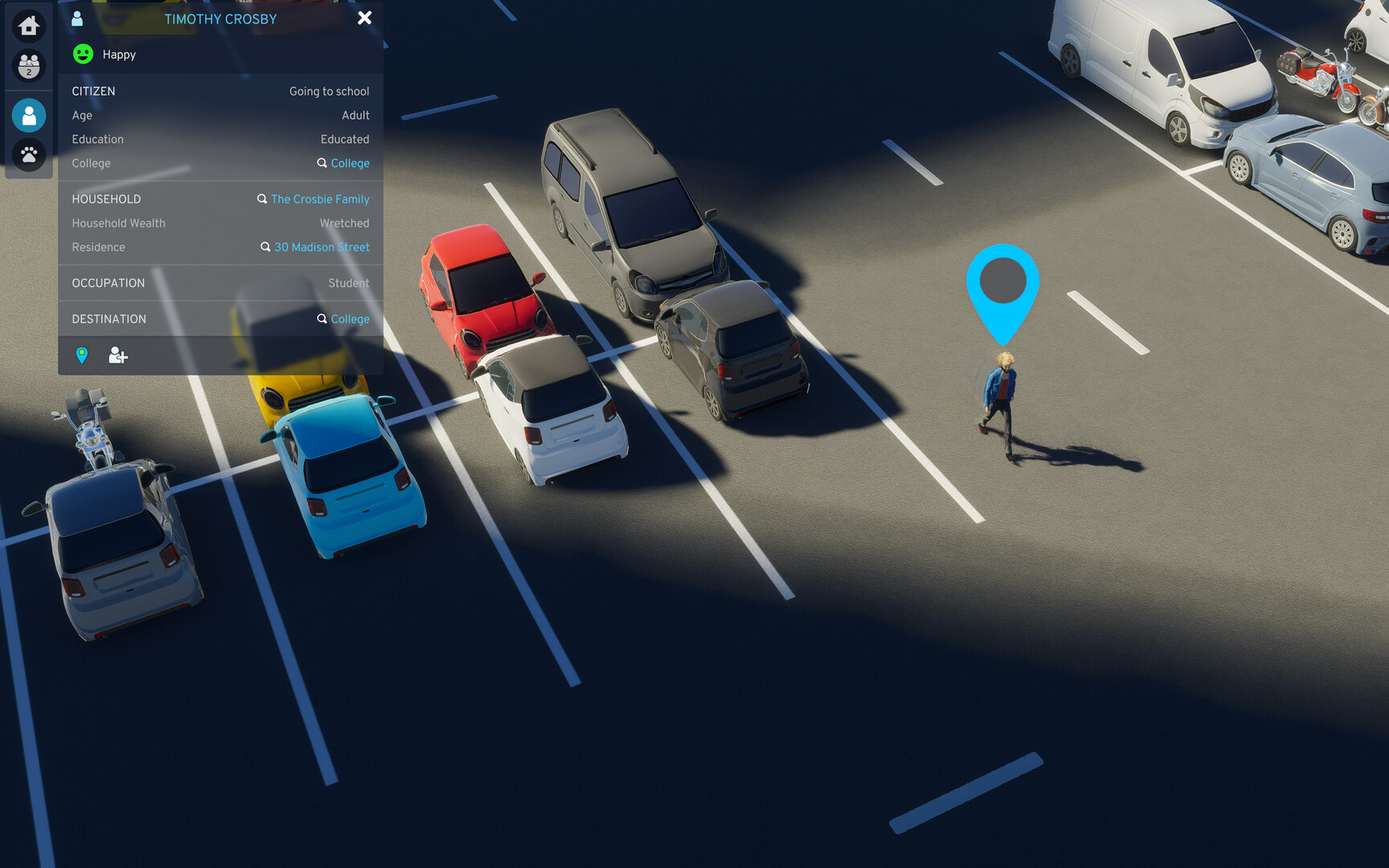
The gameplay is where the game shines. The economy has become more realistic, with production chains that force you to think beyond simply zoning residential, commercial and industrial areas. You now have to manage resources, import and export, and deal with soil and water pollution on a granular basis. The artificial intelligence of citizens is also impressive - they choose transportation routes based on time and cost, creating traffic jams that make logical sense. This complexity turns each game into a fascinating urban puzzle.
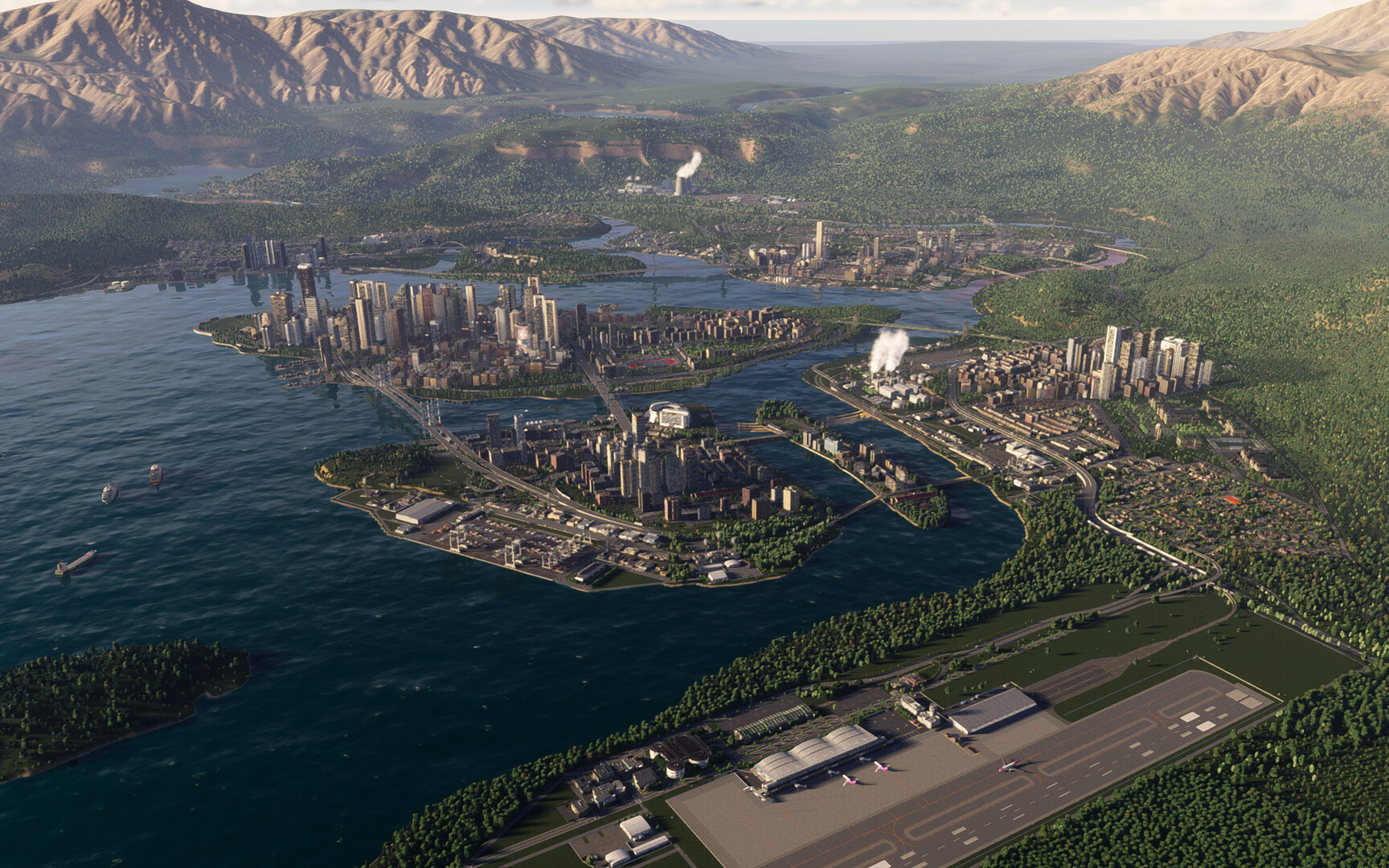
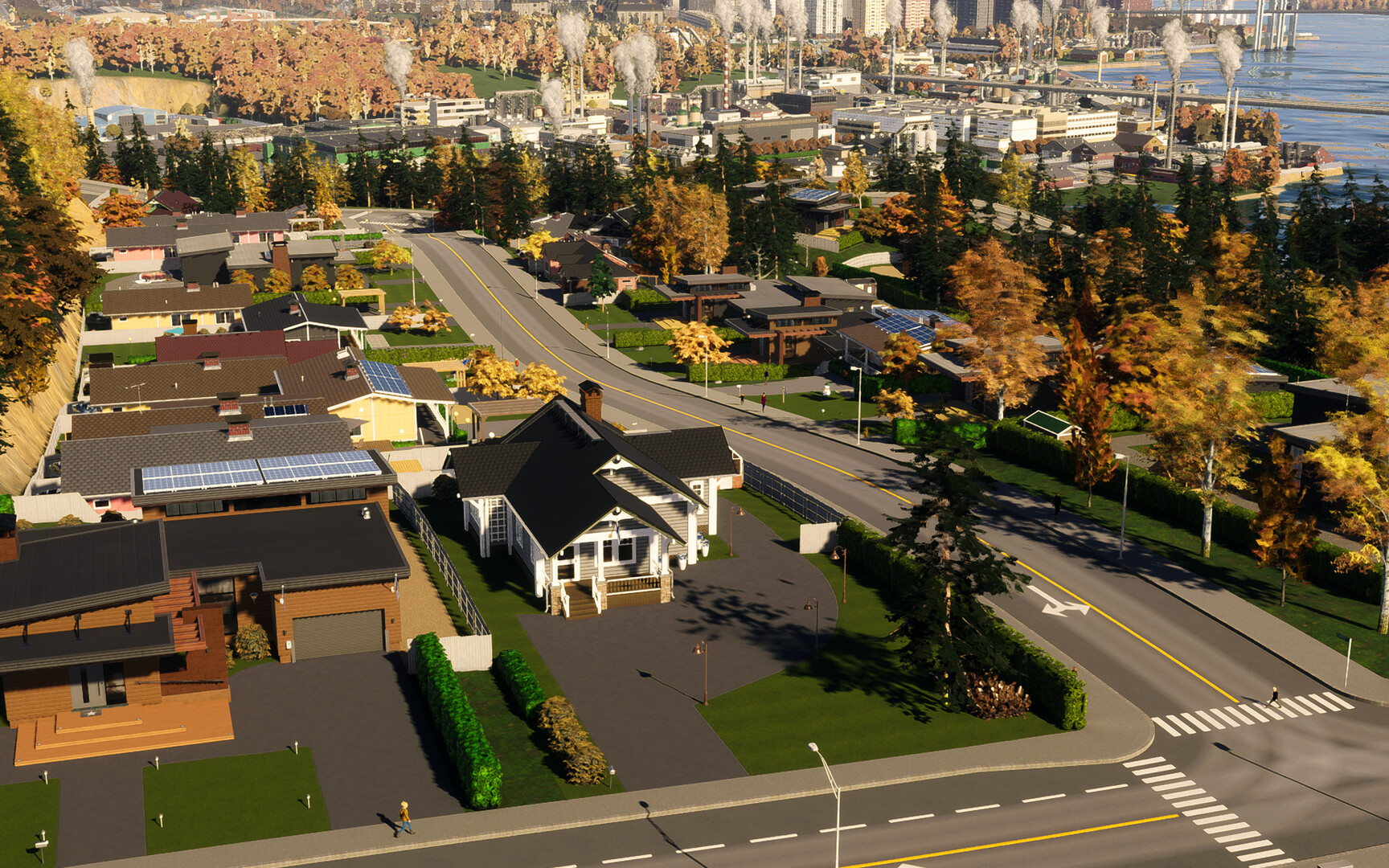
Visually, Cities: Skylines II is a generational leap. The textures are sharper, the dynamic lighting changes with the weather and the seasons really affect the game - snow melts, leaves fall, and energy demand varies. The problem is the price of all this: performance suffers brutally even on top-of-the-range graphics cards. Frame drops in average cities and visual bugs are common, breaking the immersion and requiring patience. Optimization is undoubtedly the Achilles heel of the experience.
Despite the technical stumbles, the fun is there. Each new district planned, each public service implemented and each crisis (such as a flu epidemic or a chemical accident) generates unique stories. The differentials are clear: the depth of the simulation and the almost total freedom to customize the city. For those who love to build and manage down to the smallest detail, the game rewards the investment with hours of genuine involvement. You just have to be patient with the hiccups in the graphics engine.
System Requirements
Minimum Settings
- SOS.Windows® 10 Home 64 Bit
- CPUIntel® Core™ i7-6700K | AMD® Ryzen™ 5 2600X
- RAM8 GB RAM
- Graphics Processing UnitNvidia® GeForce™ GTX 970 (4 GB) | AMD® Radeon™ RX 480 (8 GB)
- Disco60 GB of available space
Recommended Configuration
- SOS.Windows® 10 Home 64 Bit | Windows® 11
- CPUIntel® Core™ i5-12600K | AMD® Ryzen™ 7 5800X
- RAM16 GB RAM
- Graphics Processing UnitNvidia® GeForce™ RTX 3080 (10 GB) | AMD® Radeon™ RX 6800 XT (16 GB)
- Disco60 GB of available space
Trailer / Gameplay
Technical Data Sheet
- Launch 24/Oct-2023
- Platforms Linux, macOS, PC
- Genres Simulation
- Developers Colossal Order, Iceflake Studios
- Distributors Paradox Interactive
- Shops Steam
- Languages German, Simplified Chinese, Traditional Chinese, Korean, Spanish (Spain), French, English, Italian, Japanese, Polish, Portuguese (Brazil), Russian
Review
Positive points
- Rich economic and traffic simulation with real production chains.
- Dynamic climate and seasons that directly affect urban planning.
- Almost infinite customization of streets, zones and public services.
Negative points
- Unstable performance and FPS drops even on high-end hardware.
- Lack of launch content compared to the previous base game with DLCs.